Shockwave Therapy
Physiotherapy Today
How Shockwave Therapy Gets Rid of Chronic Tendon Pain and Restores Function
Changing the way pain is treated and accidents are healed.
Chronic tendon pain can feel like a death sentence. Achilles tendinopathy can stop you from running, tennis elbow can make shaking hands painful, and plantar fasciitis can make every step in the morning feel like torture. These stubborn tendon injuries won't heal with just rest and pain management. Shockwave therapy has been a breakthrough for thousands of Australians who are stuck in this cycle and finally get them back to normal. Focused shockwave therapy and extracorporeal shock wave therapy (ESWT) are changing the way pain is treated and accidents are healed in clinics all over the country via accident rehabilitation.
Understanding Why Tendon Injuries Become Chronic
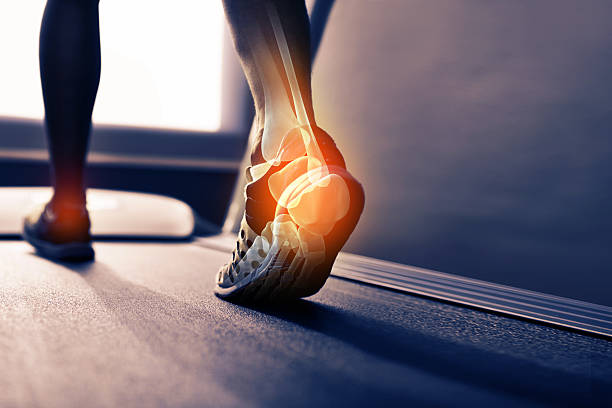
Tendons are tough bands of soft tissue that connect muscle to bone. They are made to handle a lot of stress during sports and everyday movement. When they get micro-tears from overuse, like in the Achilles tendon, rotator cuff, or lateral epicondyle, the body's natural healing response often breaks down. In the absence of proper repair, scar tissue and degenerative changes occur, leading to the painful conditions we call tendinopathies. This requires proper diagnosis of conditions & treatments.
Rest, anti-inflammatory drugs (NSAIDs), eccentric loading exercises through physiotherapy, and, in some cases, corticosteroid injections have been used in traditional medicine and rehabilitation for a long time. These can help with short-term injuries, but they often don't work for long-term ones. Rest alone seldom induces sufficient biological activity to facilitate the healing of compromised soft tissue. NSAIDs only cover up the symptoms and don't fix the underlying problem. Repeated corticosteroid injections can even make tendons weaker. This is where shockwave therapy comes in as a real treatment that changes the course of the disease.
The Science of Shockwave Therapy
Shockwave therapy, or extracorporeal shock wave therapy (ESWT), sends high-energy sound waves into the damaged tendon. In clinical practice today, there are two main types of shock wave therapy: focused shock wave therapy and radial shock wave therapy. Focused shockwave therapy goes deeper and is usually better for tendon injuries like Achilles tendinopathy, plantar fasciitis, and rotator cuff tendinopathy. Radial shock wave therapy, on the other hand, spreads energy more widely and is often used for more superficial problems.
These pressure waves cause small amounts of damage to the sick soft tissue in a controlled way. This controlled stress doesn't destroy anything; instead, it sets off a chain reaction of biological responses. The area gets a lot more blood flow, which brings oxygen and nutrients that are needed for repair. The shock waves cause the body to release growth factors, make more collagen, and break down calcifications and scar tissue that isn't working right. Shockwave therapy may be most important because it starts the healing process again after it had stopped months or even years before.
What Happens During a Shockwave Therapy Session
Before getting shockwave therapy at a specialised clinic, patients usually go through a full evaluation. A sports physiotherapist or rehabilitation doctor finds the exact spot of maximum tenderness, often with the help of diagnostic ultrasound, and marks the area for treatment.
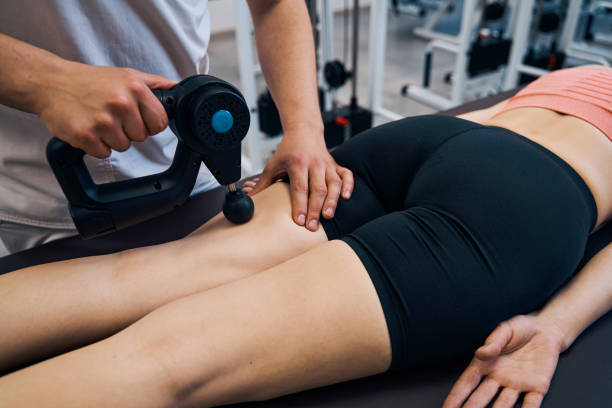
The process is simple. The shockwave therapy handpiece is placed against the target area after a conductive gel is applied to the skin. Most patients say that the feeling is like a series of quick, deep thumps that are uncomfortable but don't usually need anaesthesia. A normal session lasts only 5 to 15 minutes and sends out 2000 to 3000 shock waves. There is no downtime, so you can resume your normal activities right away after leaving the clinic.
A Comparison of Shockwave Therapy and Traditional Treatments
When we look at outcomes based on evidence, shockwave therapy is always better than traditional methods for chronic tendon injuries. Research on Achilles tendinopathy indicates that rest and eccentric exercises yield a success rate of approximately 50–60% at 12 months, whereas targeted shockwave therapy in conjunction with exercise achieves 80–90% excellent or good outcomes within the same period.
Corticosteroid injections give quick short-term relief for lateral epicondylitis (tennis elbow), but after six months, they make things worse compared to shockwave therapy. Similar patterns arise with plantar fasciitis, rotator cuff tendinopathy, and patellar tendinopathy. People who get shockwave therapy go back to work and sports much faster, and their symptoms go away completely.
Typical Recovery Timeline with Shockwave Therapy
Most patients need shockwave therapy three to six times a week, depending on how long their condition has been going on. Most of the time, things get better after the second or third treatment, but the biological changes keep working for weeks after that.
Some people feel temporary pain, like after a workout, during the first two weeks as the healing process picks up speed. Most people say that their pain has gone down a lot and their function has improved by weeks 4 to 6. The full benefits usually reach their peak about 12 weeks after treatment, which is exactly the right amount of time for new collagen to grow and change shape in the tendon.
Safety Profile and Side Effects
One of the best things about shockwave therapy is that it is very safe. When properly trained professionals use medical-grade equipment, serious complications are very rare. The most common side effects are short-lived, like mild redness, bruising, or a temporary rise in pain that lasts for 1 to 2 days. Shockwave therapy does not pose the risk of tendon rupture or fat atrophy, unlike corticosteroid injections. Because of its good risk-benefit profile, European guidelines recommend it as a first-line treatment for several tendinopathies.
Who Gets the Most Out of Shockwave Therapy
Shockwave therapy works for a lot of people, but some groups see even bigger changes. Shockwave therapy speeds up the recovery time for both amateur and professional athletes who want to get back to their sport as soon as possible. Office workers with chronic tennis elbow who haven't gotten better with just physical therapy often get completely better after adding ESWT. Even older patients with degenerative changes to their Achilles tendon who were told "nothing more can be done" often get their ability to walk without pain back.
How to Find Good Shockwave Therapy in Australia
Not all types of shockwave therapy work the same way. Clinics that use focused shockwave devices made in Switzerland or Germany, and are run by trained practitioners in extracorporeal shock wave therapy, achieve the best results. A lot of the best physiotherapy and sports medicine clinics now have this technology. You can often make an appointment online for the same week.
Before you agree to anything, make sure the clinic uses real focused shockwave therapy and not cheaper radial pressure wave devices that are sold under names that sound similar. For deep tendon injuries like the Achilles tendon or rotator cuff, the difference in biological effect—and therefore clinical results—can be very big.
The Bigger Picture in Dealing with Pain
Shockwave therapy is a new way of treating long-term soft tissue problems. Rather than just treating symptoms, it actively encourages the body's own repair systems. This difference is very important for patients who have been through years of treatments that didn't work.
The evidence keeps piling up as more high-quality Australian research emerges, especially from centres focused on sports medicine and rehabilitation. Shockwave therapy isn't new; it's quickly becoming the standard treatment for stubborn tendon injuries all over the country.
What Happens During a Shockwave Therapy Session
Before getting shockwave therapy at a specialised clinic, patients usually go through a full evaluation. A sports physiotherapist or rehabilitation doctor finds the exact spot of maximum tenderness, often with the help of diagnostic ultrasound, and marks the area for treatment.
The process is simple. The shockwave therapy handpiece is placed against the target area after a conductive gel is applied to the skin. Most patients say that the feeling is like a series of quick, deep thumps that are uncomfortable but don't usually need anaesthesia. A normal session lasts only 5 to 15 minutes and sends out 2000 to 3000 shock waves. There is no downtime, so you can resume your normal activities right away after leaving the clinic.
Moving Forward
Shockwave therapy is a real option for people who have been dealing with chronic Achilles tendinopathy, plantar fasciitis, tennis elbow, or rotator cuff pain for months without getting better. Most of the people who were told they would "just have to live with it" are now doing the things they love again.
Modern medicine finally has a way to fix tendon injuries that won't heal. Shockwave therapy can help break the cycle of chronic pain, and clinics all over the country are using it more and more.
Are you ready to move again without pain? Most specialist clinics offer a free assessment and can usually see new patients within a few days if you book online. It's time to give your tendons the care they need.


